March 30, 2026
AI in HR : Why Critical Thinking Is Becoming a Key Skill for Recruiters
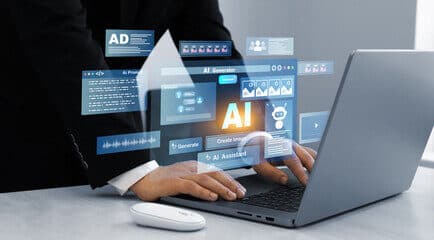
Artificial intelligence is increasingly transforming HR practices. From candidate sourcing to HR data analysis, AI-powered tools promise significant time savings and efficiency gains.
However, this transformation also raises an important question : how can HR professionals use AI without losing their critical thinking ? During a conference led by Igael Derrida, one key idea stood out : AI can support HR professionals, but it should never replace their judgment.
AI as a Decision-Support Tool
In HR, decisions have a direct impact on people’s professional lives. Hiring, promoting, evaluating or terminating contracts are all sensitive decisions. AI systems are designed to analyse large datasets and identify patterns, which can help HR professionals better understand complex situations.
AI can :
- analyse large amounts of information quickly
- compare candidate profiles
- structure data
- identify trends
However, AI does not truly understand human context or organisational dynamics. For this reason, it must be considered a decision-support tool rather than a decision-maker.
Developing Critical Thinking in the Age of AI
As AI tools become more widespread, one skill is becoming increasingly important : critical thinking. HR professionals must be able to :
- question AI-generated results
- understand how the data was processed
- identify potential biases
- verify the reliability of information
Without this level of vigilance, organisations risk making decisions based on incomplete or biased analyses.
Bias Risks in AI Systems
One of the main concerns surrounding AI in HR is algorithmic bias. AI systems learn from historical data. If these datasets contain biases, AI can unintentionally replicate or amplify them.
In recruitment, this may lead to discrimination related to :
- age
- gender
- origin
- educational background
- career paths
If a model is trained on past hiring decisions, it may assume that the profiles previously selected represent the “ideal candidate”. This is why HR professionals must always review AI recommendations critically.
HR Responsibility in the Age of AI
Even when AI suggests a recommendation, the final responsibility remains human. Recruiters and HR managers must still be able to :
- justify their decisions
- explain their hiring choices
- ensure fairness and transparency
In many regions, particularly in Europe, regulatory frameworks also require organisations to maintain human oversight over algorithmic decisions.
AI as a Perfomance Lever
When used responsibly, AI can become a powerful performance enabler for HR teams. It can help organisations :
- automate administrative tasks
- analyse large volumes of HR data
- identify workforce trends
- support strategic decision-making
By reducing repetitive tasks, AI allows HR professionals to focus more on the human dimension of their role.
Finding the Right Balance
The challenge is therefore not whether AI will replace recruiters, but how recruiters can collaborate with AI effectively. The future of HR will rely on a balance between technological efficiency and human judgement. Critical thinking will be essential to ensure that HR decisions remain ethical, fair and aligned with organisational values.
Don’t forget to share!